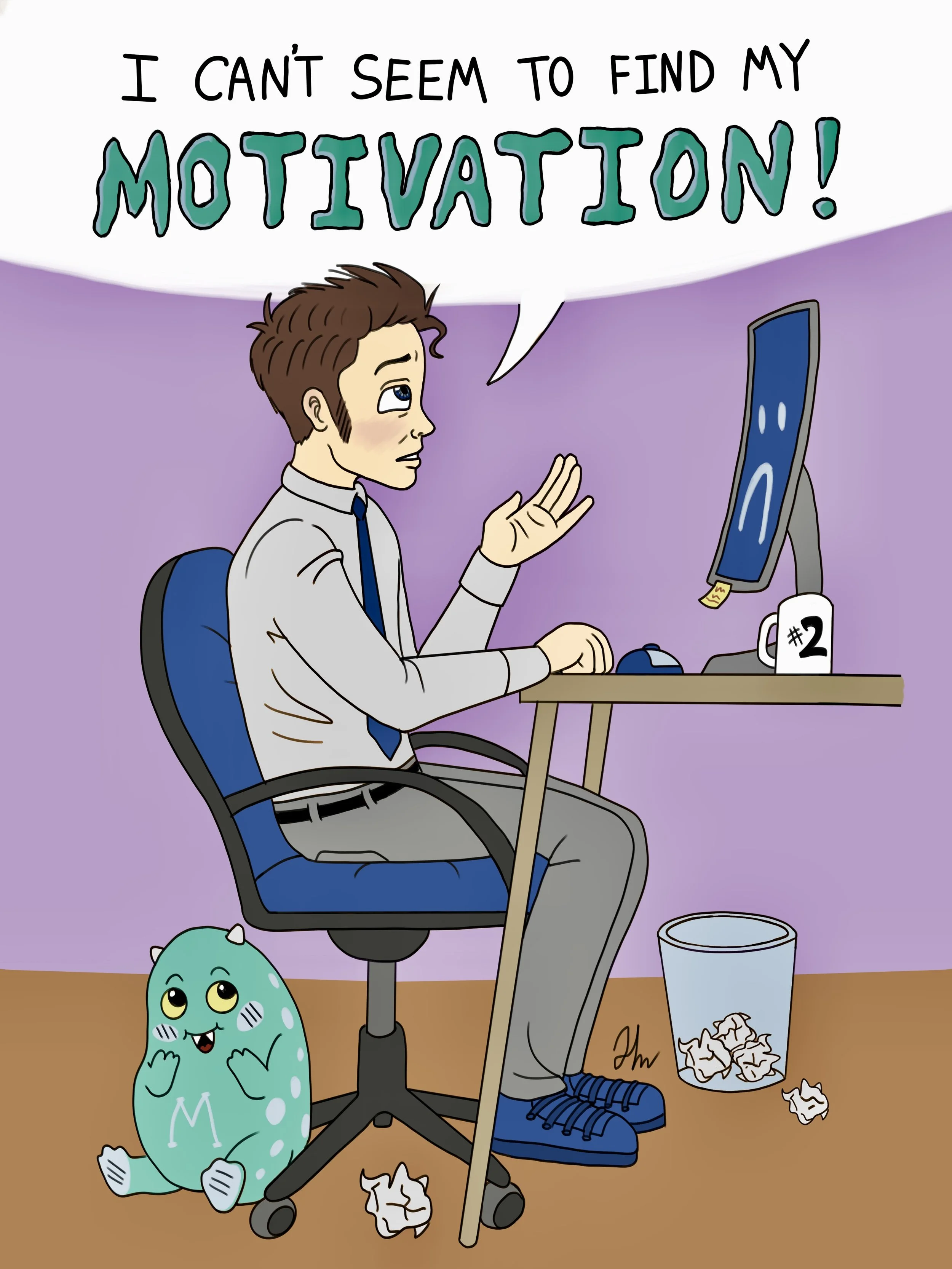
Elusive Motivation
Motivation can be hard to find because the brain is constantly evaluating whether something feels rewarding, manageable, meaningful, or emotionally safe. Tasks that feel overwhelming, boring, unclear, emotionally risky, or disconnected from immediate reward can trigger avoidance instead of action. Many people assume they need to feel motivated first before they can begin something, but motivation often comes after starting. This is why the hardest part is frequently getting started — once movement begins, the brain can build momentum, focus, and engagement.
Modern life also makes motivation more difficult. Chronic stress, burnout, anxiety, exhaustion, perfectionism, and information overload can drain the nervous system and reduce a person’s capacity to take action. For people with Attention-Deficit/Hyperactivity Disorder, motivation can feel especially inconsistent because the brain is often more responsive to novelty, urgency, interest, or emotional stimulation than to routine responsibilities. What looks like “low motivation” is often not laziness, but a sign that the brain or nervous system is overwhelmed, depleted, or struggling to activate.